WPC Wall Panels: The Ultimate Guide for Durable, Low-Maintenance Exterior & Interior Design
2026-04-14
If you are looking for WPC wall panels to upgrade your space, you've come to the right place. Wood-Plastic Composite (WPC) wall panels are a popular building material in 2026, combining durability, low maintenance and design versatility with irreplaceable advantages. This guide will cover their core benefits, application scenarios, installation methods and comparison with traditional materials, helping you understand why they are a wise choice for modern design.
What Are WPC Wall Panels?
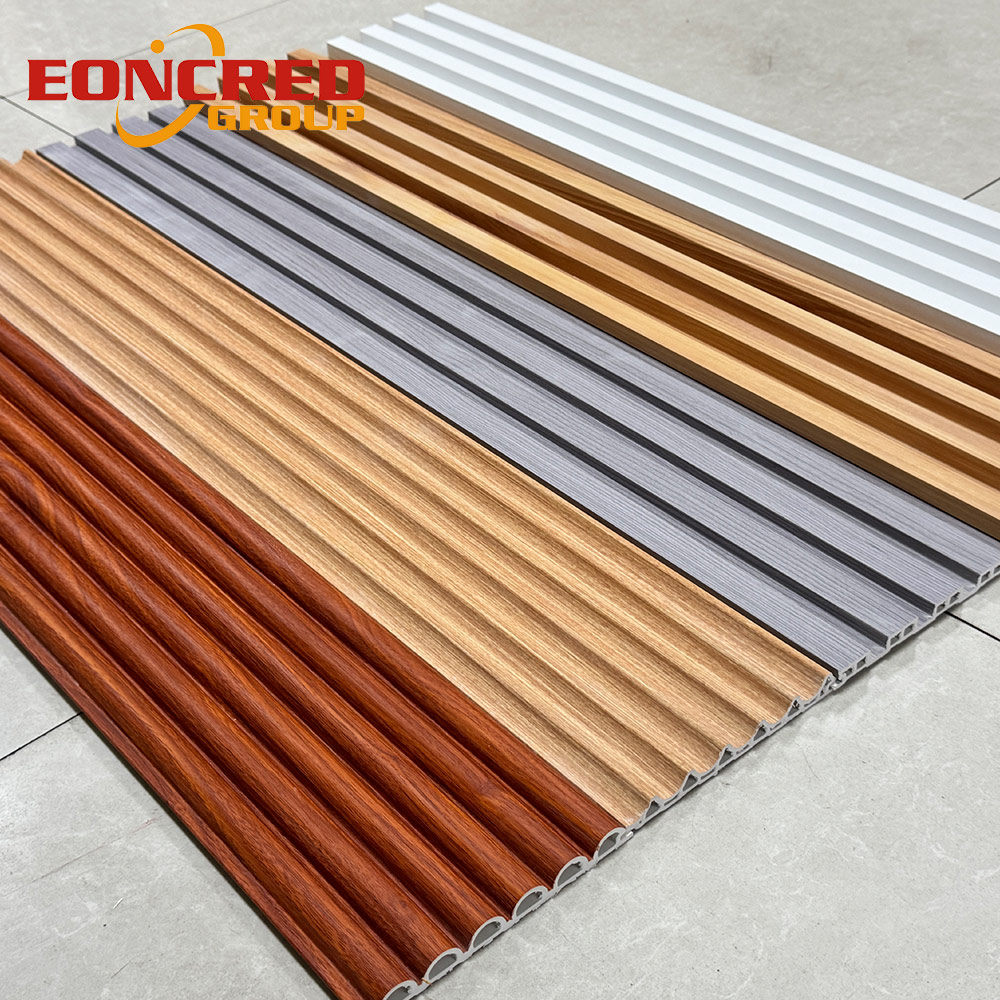
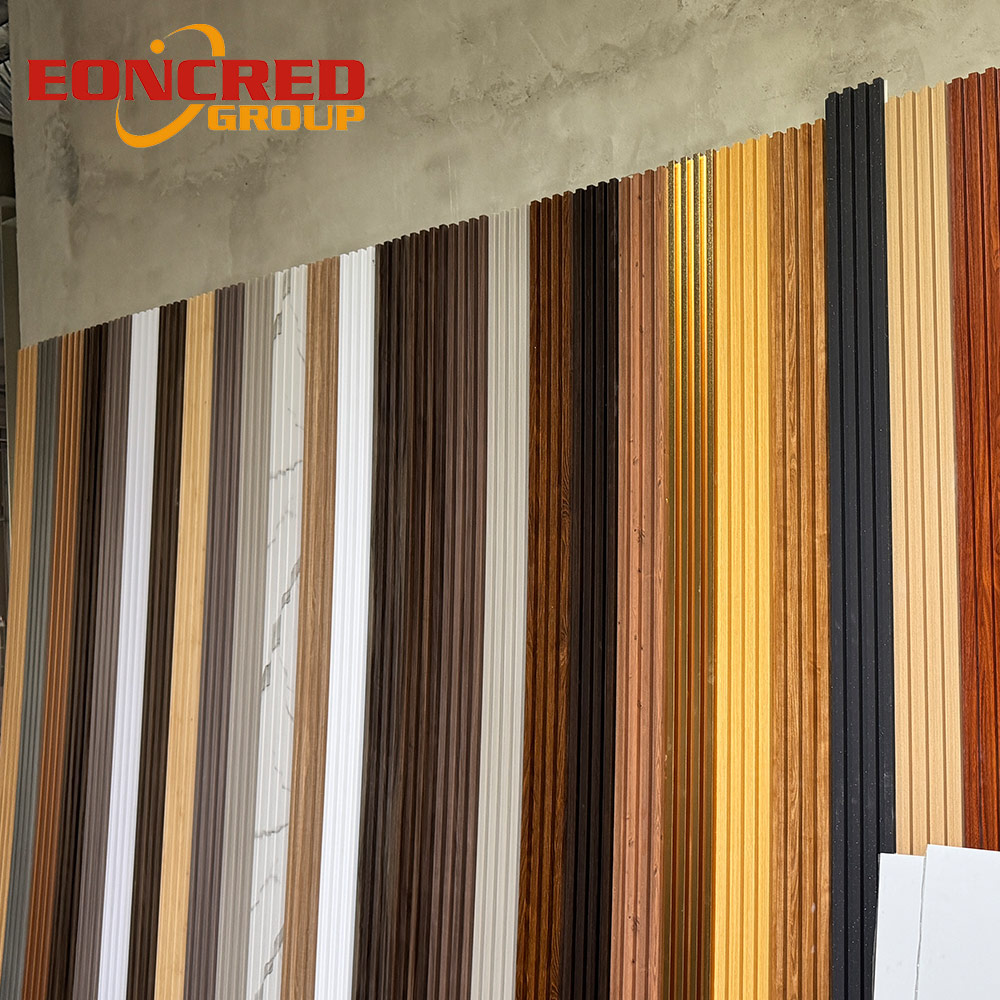
WPC wall panels (Wood-Plastic Composite wall panels) are made by mixing 60%-70% recycled wood fibers, 30%-40% thermoplastics (such as PVC, HDPE, etc.) and additives like UV stabilizers. They combine the natural beauty of wood with the durability of plastic, and can resist rot, deformation and UV damage, which is incomparable to traditional wood or PVC wall panels. The product is environmentally friendly, available in a variety of colors and textures, and suitable for various indoor and outdoor scenarios.
Core Advantages of WPC Wall Panels
WPC wall panels outperform traditional materials in performance, with the following core advantages:
1. Super Durability
The service life of indoor WPC wall panels can reach 20-30 years, and outdoor wall panels can reach 15-20 years (even stable in harsh climates). Its water absorption rate is less than 0.5%, with waterproof, termite-proof and mold-proof properties, making it very suitable for coastal areas and high-humidity spaces.
2. Low Maintenance Cost
Unlike wood, WPC wall panels do not require sanding, staining or repainting. Wiping with soapy water once a week can keep them looking new, saving time and cost in the long run.
3. Environmental Sustainability
Made of recycled wood and plastic, it reduces landfill volume and avoids deforestation. The product contains no harmful chemicals, is safe for indoor use, and complies with green building standards.
4. Wide Range of Uses and Easy Installation
The product is lightweight, diverse in styles, and adopts a tongue-and-groove splicing design, which can be easily installed by DIY, saving up to 30% of labor costs.
5. High Cost-Effectiveness
Although the initial investment is slightly higher than some traditional materials, it is more economical than wood in the long run due to its ultra-long service life and low maintenance characteristics.
Comparison Between WPC Wall Panels and Traditional Materials
The following is a quick comparison between WPC wall panels and wood, PVC, and bricks:
Features
WPC Wall Panels
Wood Wall Panels
PVC Wall Panels
Bricks
Durability
High (20-30 years)
Low (10-15 years)
Medium (15-20 years)
High (More than 50 years)
Maintenance Cost
Low
High
Low
Medium
Environmental Friendliness
High
Medium
Low
Medium
Installation Difficulty
Easy
Difficult
Easy
Difficult
Application Scenarios of WPC Wall Panels
Outdoor Scenarios: Residential exterior walls, patio/deck walls, garden fences, and coastal areas (saltwater corrosion resistant).
Indoor Scenarios: Living rooms, bedrooms, bathrooms, kitchens, commercial spaces, and basements (moisture-proof).
Simple Installation Steps for WPC Wall Panels
WPC wall panels are easy to DIY, with only 4 simple installation steps:
Clean and level the wall, remove debris and fill cracks.
Mark guide lines with a level to ensure installation alignment.
Install the starting wall panel (ensure it is level), then splice the subsequent wall panels in place through the tongue-and-groove structure.
Cut the wall panels according to the size of the wall corners, and add decorative lines to complete the finishing.